When Sydney home and business owners start comparing hot water systems, the same question comes up again and again: which option actually saves more money over time? At Abundant Hot Water Sydney, we have been supplying, installing and repairing hot water systems for over 40 years, so we know there is no one-size-fits-all answer. The cheapest system to buy is not always the cheapest to run, and the most energy efficient option is not always the best fit for every property.
If you are comparing a heat pump hot water system in Sydney, an electric hot water system, or a gas hot water system, the real answer depends on your household size, your daily hot water usage, your existing plumbing and energy setup, and how long you plan to stay in the property. What matters most is choosing a system that gives you the right balance of upfront cost, long-term running cost, energy efficiency, reliability and performance.
At Abundant Hot Water Sydney, we help homeowners, landlords, builders and business owners make practical decisions based on real needs, not sales hype. We install, supply and repair gas, electric, solar and heat pump hot water systems across Sydney, and we always assess whether your current unit can be repaired before recommending replacement. Our job is to help you choose a system that delivers dependable hot water and better value over time.
In this guide, we explain the difference between heat pump vs electric vs gas hot water systems, how each option performs in Sydney conditions, what affects your running costs, and which system may suit your property best. If you are searching for the best hot water system Sydney, energy efficient hot water systems Sydney, or want clear advice on electric vs gas hot water Sydney, this guide is designed to help.
How We Evaluate Hot Water Systems
Before we dive into the numbers, it’s important to understand what drives the true cost of a hot water system. Many homeowners focus only on the upfront price tag, but that’s only part of the picture. The real question is: what will this system cost you over ten years?
We evaluate systems across five key criteria:
- Upfront purchase and installation cost – what you pay to get the system in your home
- Annual running costs – how much you’ll spend each year on electricity or gas
- Energy efficiency – how effectively the system converts energy into hot water
- Long-term value – total cost of ownership over the system’s expected lifespan
- Environmental impact – greenhouse gas emissions and sustainability
We’ve used current Sydney energy prices and typical usage patterns for a family of four to give you the most accurate comparison available in 2026.
Why Choosing the Right Hot Water System Matters in Sydney
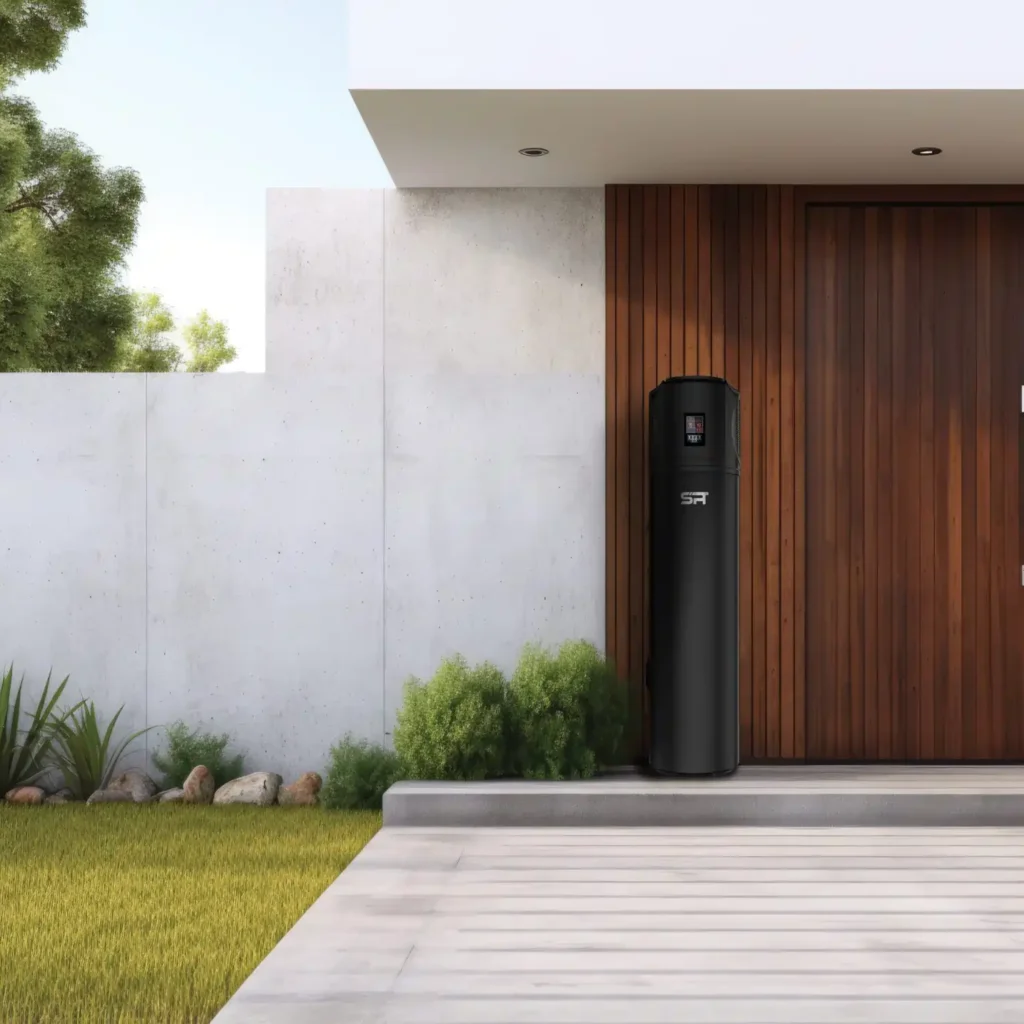
Hot water is one of the most important utilities in any property. Whether it is for showers, kitchens, laundries, hospitality, rental homes or commercial sites, the system you choose affects your daily comfort and your energy bills for years.
Many Sydney property owners make the mistake of focusing only on the purchase price. A cheaper unit may seem attractive at first, but if it uses more power, the long-term cost can be much higher. On the other hand, a higher-efficiency system may cost more to install, but it can reduce running costs over time and deliver better value.
Sydney’s climate, water usage habits and range of housing styles also make system selection more important. A small apartment with one resident has very different hot water needs to those of a family home in the suburbs. A gas-connected house may benefit from one option, while an all-electric property may be better suited to another. Homes with high electricity bills may want to focus on an energy-saving solution, while businesses may need fast recovery and consistent performance.
That is why we always recommend looking at the full picture:
- purchase and installation cost
- day-to-day operating cost
- household hot water demand
- available power or gas connection
- maintenance and repair needs
- expected lifespan
- environmental efficiency
- suitability for your property layout
When these factors are considered properly, it becomes much easier to choose a system that actually saves money.
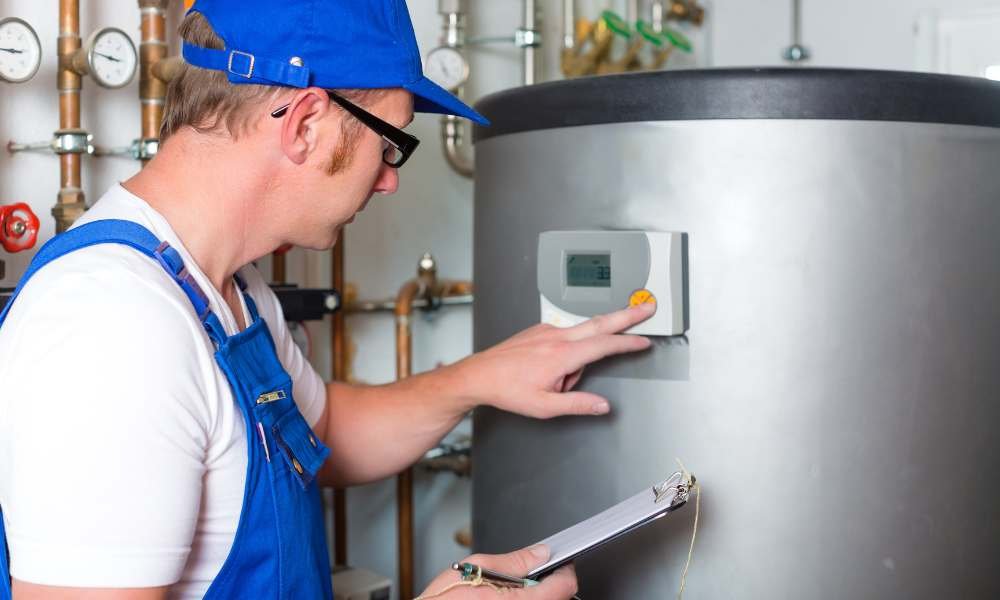
What Is a Heat Pump Hot Water System?
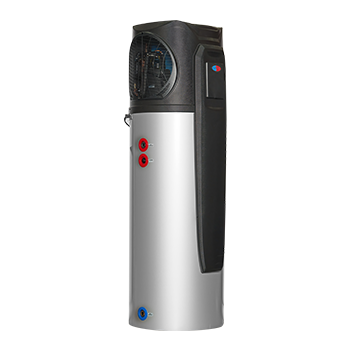
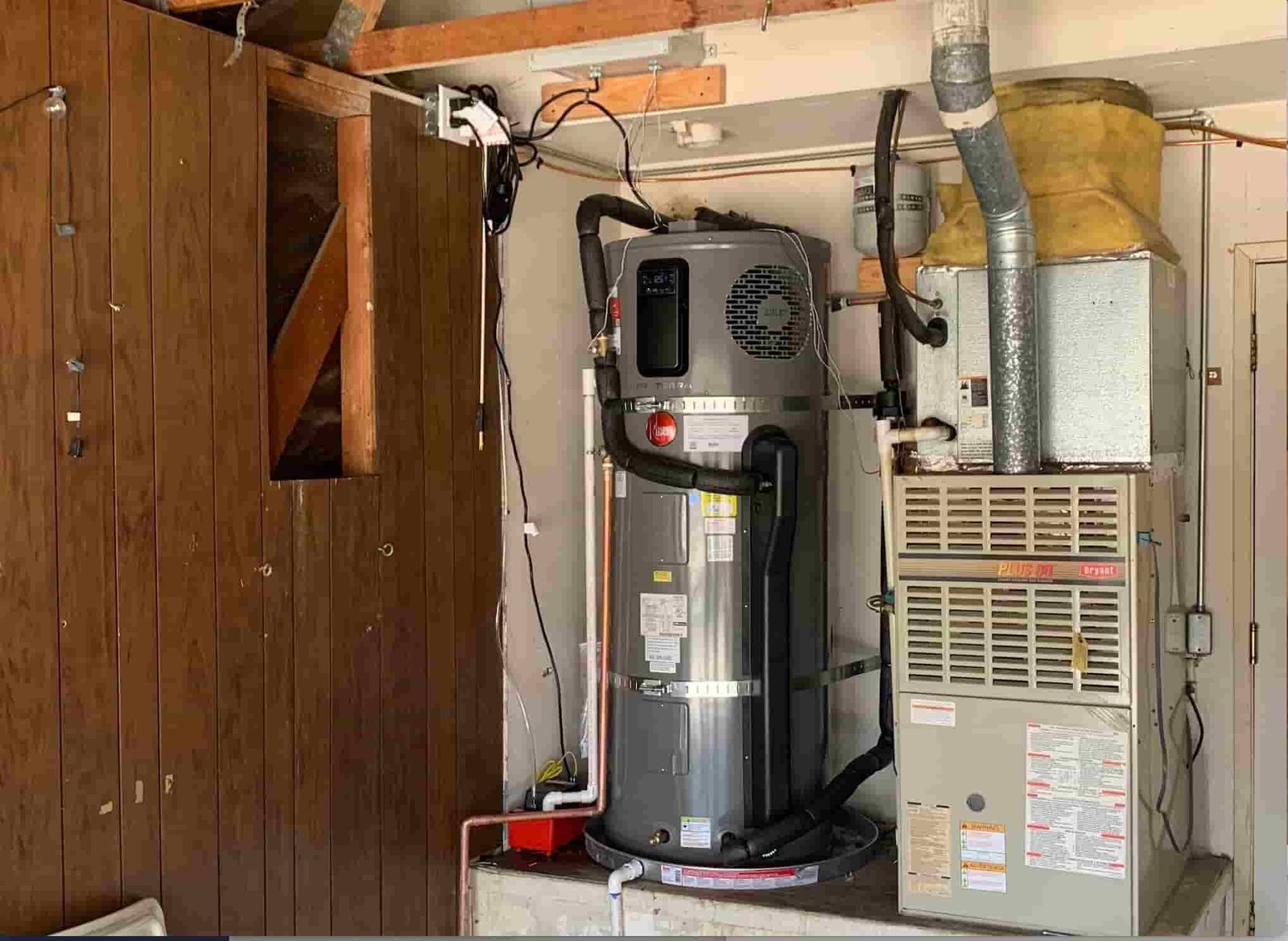
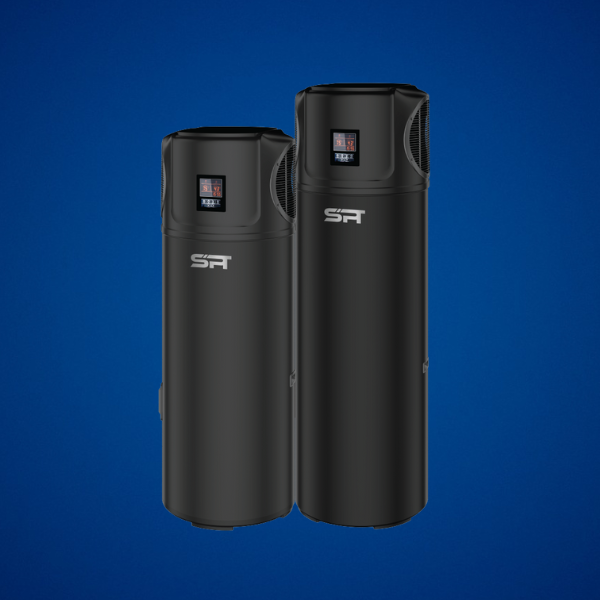
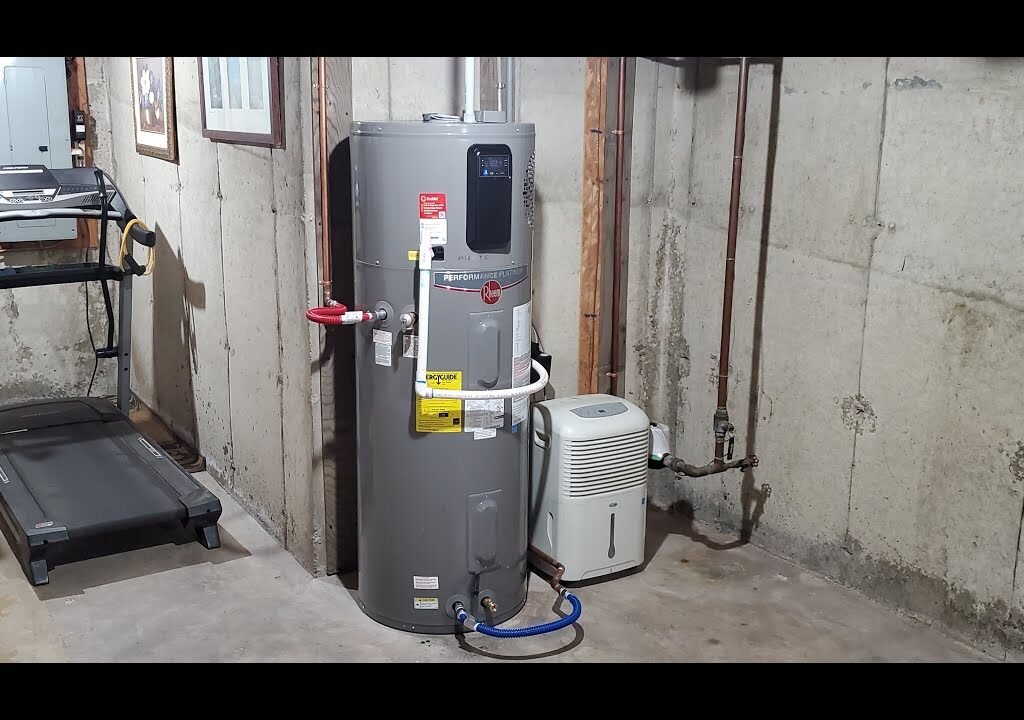
A heat pump hot water system works differently from a standard electric tank. Instead of generating all the heat directly through an electric element, it draws warmth from the surrounding air and uses that energy to heat the water. That is why heat pumps are often considered one of the most energy efficient hot water systems in Sydney.
In simple terms, a heat pump works a bit like a refrigerator in reverse. It captures ambient heat, compresses it, and transfers it to the water tank. Because it uses ambient heat rather than relying solely on direct electric resistance heating, it generally uses much less electricity than a conventional electric storage system.
For many Sydney households, this can mean lower running costs over the life of the system. Heat pumps are particularly attractive to those who want to reduce energy use without installing a full solar hot water system.
Main advantages of heat pump hot water systems
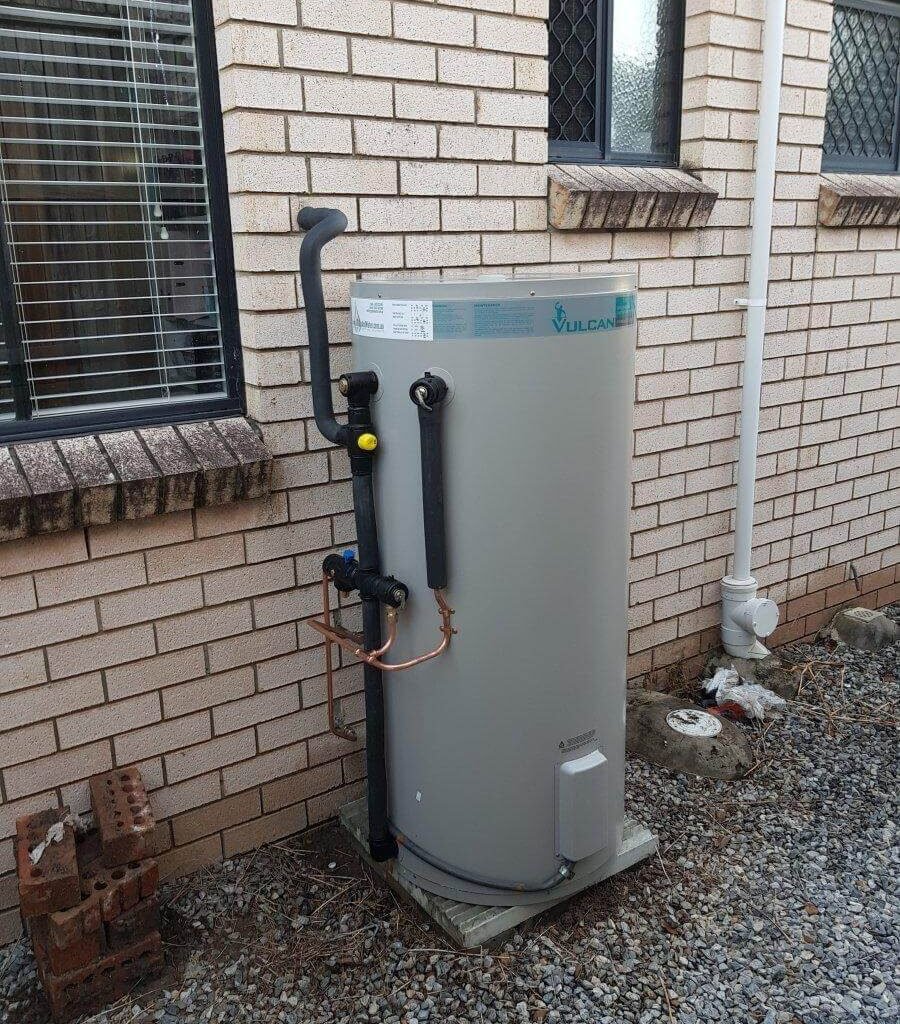
A heat pump system can offer several benefits:
- lower electricity consumption compared with standard electric storage systems
- improved energy efficiency
- good long-term savings for many households
- suitable for homes without natural gas
- strong option for people upgrading from older electric tanks
- better environmental performance than many traditional systems
Things to consider with heat pumps
While heat pumps are an excellent option in many situations, they are not always the right fit for everyone. They usually cost more upfront than a basic electric unit, and installation requirements can vary depending on space, airflow and site conditions. Some units may also produce operational sound, so the placement of the system matters.
A heat pump often makes the most sense when the property owner is thinking long term and wants better running cost efficiency rather than the lowest initial price.
What Is an Electric Hot Water System?
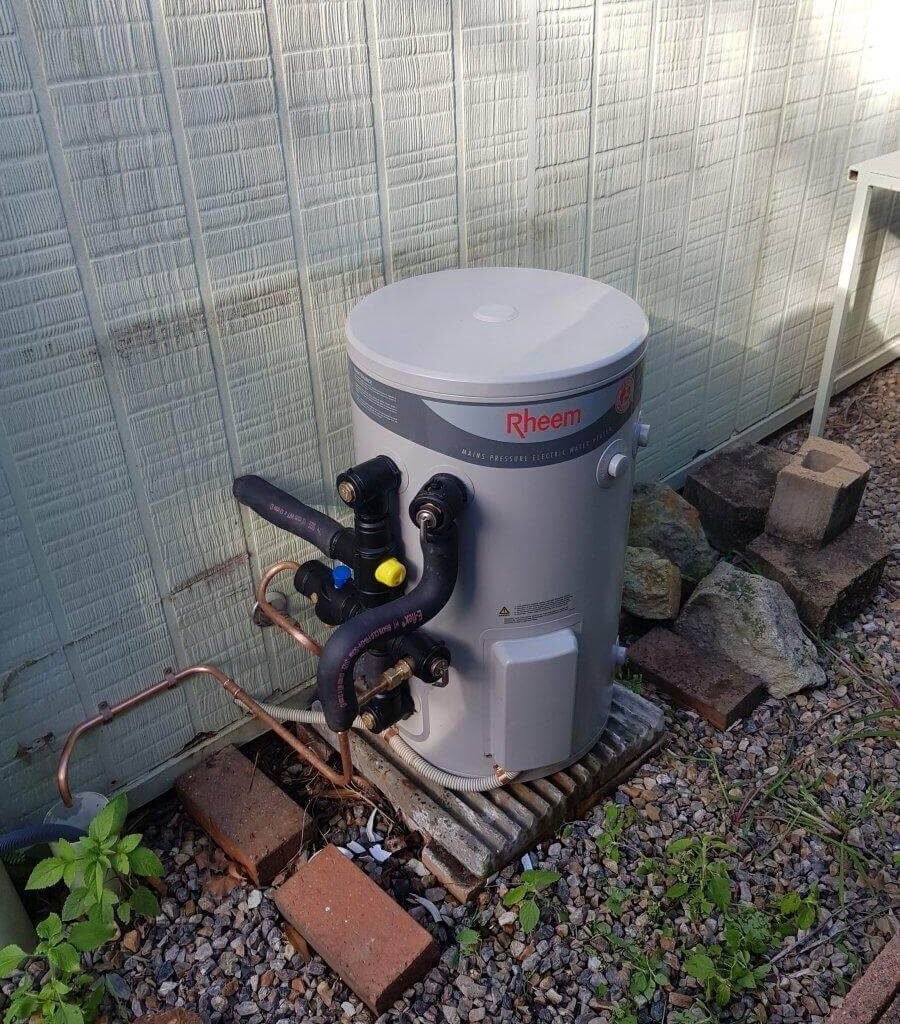
An electric hot water system is one of the most common and widely recognised options across Sydney. These systems typically store hot water in a tank and use electric elements to heat the water. They are straightforward, reliable and often less expensive to purchase than more advanced high-efficiency systems.
Electric systems are popular because they are widely available, relatively simple to install, and suitable for many residential properties. If a home does not have a gas connection and the owner wants a lower upfront installation cost, a conventional electric hot water system can be a practical solution.
Main advantages of electric hot water systems
Electric systems are often chosen because they offer:
- lower initial purchase price
- simple installation for many homes
- familiar and proven technology
- good availability of replacement models
- easy compatibility with many residential properties
Things to consider with electric systems
The main drawback is that standard electric storage units can be more expensive to run than heat pump systems and, in some cases, gas systems. While the upfront cost may be lower, the day-to-day operating cost can add up, especially for larger households with heavy hot water use.
If you are comparing heat pump hot water Sydney options with standard electric units, the running cost difference is often one of the biggest deciding factors.
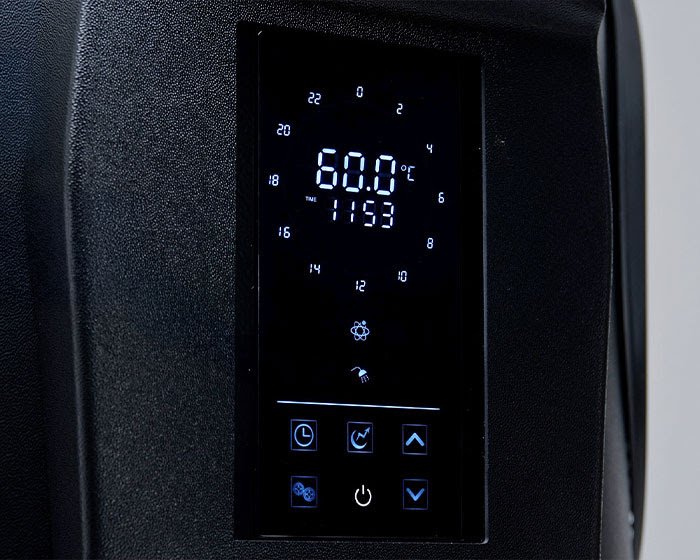
What Is a Gas Hot Water System?
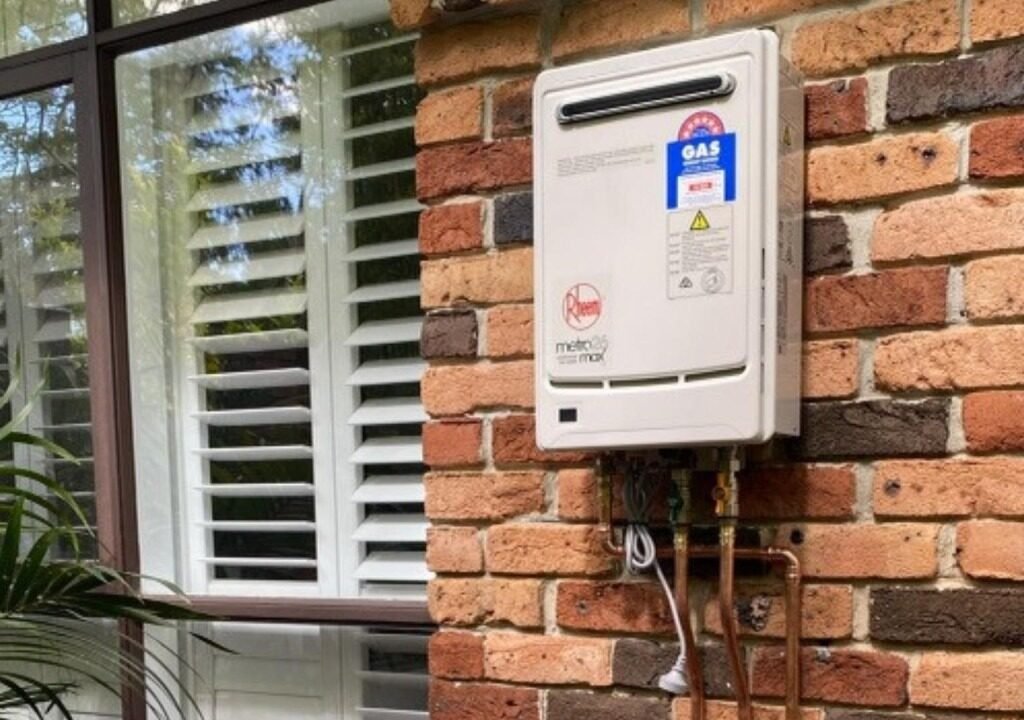
A gas hot water system heats water using natural gas or LPG, depending on the property setup. These systems are available in storage and continuous flow models, and they are a popular choice in many Sydney homes because they can deliver strong performance and fast reheating.
Gas hot water is often preferred by households that want reliable hot water recovery and already have a gas connection. Continuous-flow gas systems are especially popular because they heat water only when needed, which can help reduce waste and improve efficiency.
Main advantages of gas hot water systems
Gas hot water systems may offer:
- fast water heating and recovery
- good performance for busy households
- continuous flow options for on-demand hot water
- reduced reliance on electricity for water heating
- strong practical value where gas is already connected
Things to consider with gas systems
The cost-effectiveness of gas depends on your usage and the type of system selected. If a property does not already have a suitable gas connection, installation costs may be higher. Ongoing gas prices also need to be considered when comparing total running costs.
For some households, gas is an excellent choice. For others, a heat pump or a modern electric upgrade may provide better value.
Head-to-Head Comparison: Which Saves More Money in Sydney?
Let’s put all three systems side-by-side for a typical Sydney family of four.
| System Type | Upfront Cost (installed) | Annual Running Cost | 10-Year Total Cost | Energy Efficiency |
|---|---|---|---|---|
| Electric Storage | $1,500 – $3,000 | $800 – $1,200 | $9,500 – $15,000 | 100% (1:1) |
| Gas Storage | $1,600 – $3,400 | $300 – $500 | $4,600 – $8,400 | 80-90% |
| Gas Instantaneous | $1,600 – $3,700 | $250 – $400 | $4,100 – $7,700 | 85-95% |
| Heat Pump | $2,900 – $5,200 | $250 – $600 | $5,400 – $11,200 | 300-500% (3-5:1) |
What this table tells us:
- Standard electric storage is the clear loser, its low upfront price is completely outweighed by cripplingly high running costs. Over ten years, you’ll pay $5,000-$10,000 more than with gas or heat pump.
- Gas systems offer solid mid-range value, with instantaneous gas having the edge over gas storage due to no standing heat loss.
- Heat pumps have the highest upfront cost but the lowest running costs. The payback period versus electric storage is typically 3-4 years, and versus gas it’s longer but still worthwhile for most households.
For Sydney homeowners, the long-term money-saving winner is the heat pump hot water system, especially if you have solar panels.
NSW Government Rebates: Slashing the Upfront Cost of Heat Pumps
One of the most compelling reasons to choose a heat pump in 2026 is the availability of generous government incentives.
Through the NSW Government’s Energy Savings Scheme (ESS), eligible households can access upfront discounts when replacing an existing electric or gas hot water system with an approved heat pump:
- Up to $640 when replacing an electric water heater with a heat pump
- Up to $330 when replacing a gas water heater with a heat pump
In addition to the NSW ESS discount, heat pumps also qualify for federal Small-scale Technology Certificates (STCs), tradeable certificates that further reduce the purchase price. Some Sydney households can access a total rebate of up to $1,000 or more when both schemes are combined.
The key requirements are:
- You must replace an existing electric or gas system
- Installation must be done by a licensed plumber and/or electrician
- The old system must be decommissioned (no resale or reuse)
These rebates are typically applied as an upfront discount on your quote, you don’t need to claim back the money later. When you get a quote from us, we’ll ensure all applicable rebates are applied directly to reduce your upfront cost.
Which System Is Right for Your Sydney Home?
Based on everything we’ve covered, here’s our straightforward recommendation for Sydney homeowners in 2026:
Choose a heat pump hot water system if:
- You want the lowest possible long-term running costs
- You have (or plan to get) rooftop solar panels
- You plan to stay in your home for 5+ years
- You care about reducing your carbon footprint
- You can manage the higher upfront cost (with rebates offsetting much of it)
Choose gas (instantaneous preferred) if:
- You already have a natural gas connection
- You need unlimited hot water with fast recovery
- You can’t accommodate a heat pump’s space requirements
- You’re not planning to stay in the home long enough to recoup the heat pump investment
Choose electric storage only if:
- You have an extremely tight upfront budget
- You already have solar panels and can heat during the day
- Your household size is small with low hot water demand
For the vast majority of Sydney homeowners, the heat pump is the best financial decision you can make for your hot water system in 2026.
Factors That Affect Your Hot Water Running Costs
Many people think the system type alone decides the cost, but several other factors also influence how much you will spend.
Household size
A two-person household usually uses far less hot water than a family of five. Larger households often benefit more from efficient systems because the savings build up faster.
Usage habits
Long showers, frequent laundry cycles, dishwasher use and multiple bathrooms all increase hot water demand.
Peak usage times
If everyone showers in the morning, the system needs to recover quickly. System performance during peak periods matters just as much as total energy efficiency.
System age
Older systems are often less efficient and more expensive to run. Replacing an ageing unit can improve both performance and cost efficiency.
Installation setup
The position of the unit, plumbing layout, access, ventilation and available energy source all affect installation practicality and total cost.
Maintenance and condition
A poorly maintained system may lose efficiency over time. Sediment build-up, worn components and ageing thermostats can all affect performance.
Why Professional Installation Matters
Even the best hot water system can underperform if it is installed poorly. Correct sizing, compliant installation, safe connections and quality workmanship all play a major role in performance, efficiency and lifespan.
At Abundant Hot Water Sydney, we provide professional hot water installation, supply and repairs across Sydney. We work with a wide range of system types and understand what is needed to make each one perform properly in real-world conditions.
A properly installed system can help with:
- better energy efficiency
- more consistent hot water delivery
- improved safety
- fewer breakdowns
- longer equipment life
- better return on investment
Why Sydney Customers Choose Us
At Abundant Hot Water Sydney, we are proud to be a trusted local provider with more than 40 years of experience. We have built our reputation on honest advice, quality workmanship and practical hot water solutions for homes and businesses across Sydney.
Customers choose us because:
- we supply, install and repair hot water systems
- we work with gas, electric, solar and heat pump systems
- we assess whether repair is possible before recommending replacement
- we focus on reliable, affordable and efficient outcomes
- all our work comes with a quality guarantee
- we stay up to date with the latest hot water technology
We understand that choosing a hot water system is about more than equipment. It is about comfort, cost, reliability and peace of mind.
Questions People Ask About Hot Water Systems in Sydney
What is the cheapest hot water system to run in Sydney?
In many cases, a heat pump hot water system is among the cheapest to run because it uses energy more efficiently than a standard electric storage tank.
Is gas or electric hot water cheaper in Sydney?
It depends on the property, usage and energy pricing, but gas can be more economical for some households, especially where gas is already connected. Electric systems usually cost less upfront, but may cost more to run.
Are heat pump hot water systems worth it in Sydney?
For many households, yes. Heat pumps can offer lower running costs and better energy efficiency, making them a strong long-term option.
What is the most energy efficient hot water system for a Sydney home?
A heat pump is often one of the most energy efficient options, especially for households looking to reduce electricity usage.
Should I repair or replace my hot water system?
If the problem is minor and the unit is still in good condition, repair may be the most cost-effective choice. If the system is old, inefficient or frequently breaking down, replacement may save more money in the long run.
Speak With Abundant Hot Water Sydney
If you are looking for trusted advice on the best hot water system in Sydney, or need help comparing heat pump hot water Sydney, electric vs gas hot water Sydney, or energy efficient hot water systems Sydney, our team is ready to help.
We will assess your existing system, explain your options clearly, and recommend the most practical solution for your home or business.
Abundant Hot Water Sydney
Email: info@abundanthotwater.com.au
Phone: 0450 330 622
Get in touch with us today for expert advice, reliable service and professional hot water solutions across Sydney.